Film Formats
New to film photography? Inherited Dad’s old Minolta? Found a cool old rangefinder at a flea market that you wanna try out? Or maybe you bought a Holga in the neighborhood hipster store and are thinking of branching out into real cameras now? Or maybe you just have a whole lot of spare money laying around and are looking for a never-ending well to pour it all into? Slick! Let’s talk about film, more specifically, film formats!
If you’re like most new-to-film shooters in the 21st century, you likely have a 40-year-old 35mm SLR camera. My guess, it’s a Minolta X700, Pentax K1000 or a Canon AE-1. The stereotypical beginner cameras du’jour. Not bad cameras, BTW, I have all those are they are just fine. Something you may not be aware of, 35mm is not the only size of film available to spend all your extra money on. No Sirma’am!
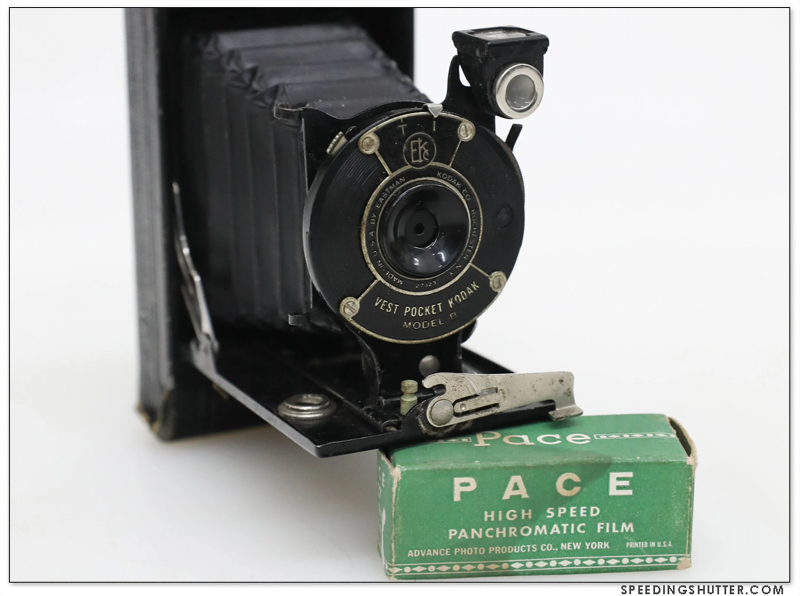
Over the last century there have been all sorts of film sizes and formats. Most of them are antiques, no longer being made. Such as many of the roll film sizes like 616, 620, 220, 127, and 828. Or cartridge-based films like 126, APS, and Disc film.
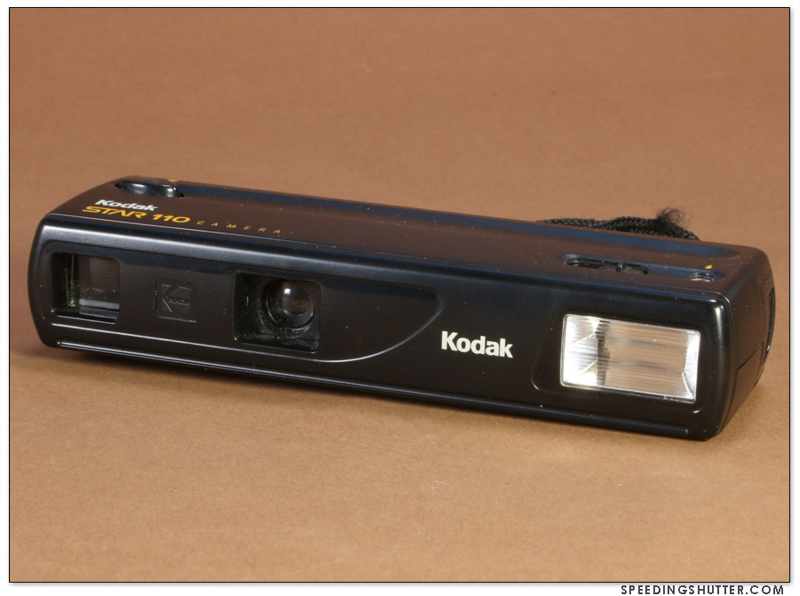
Roll films are like the 120 film you may have used in a Holga, they all are basically the same thing… a metal or plastic spool with film wrapped around them, backed with yellow paper that says “Kodak” on it. While 220 is essentially the same as 120, only with twice as much film, the rest are all different sizes, made for various cameras that required different film sizes, and almost all of them were discontinued around the 1980’s or so.
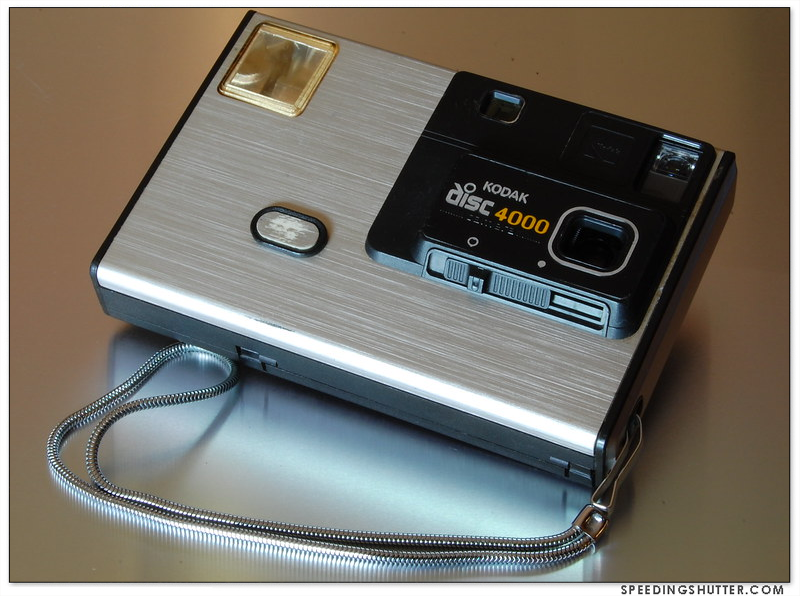
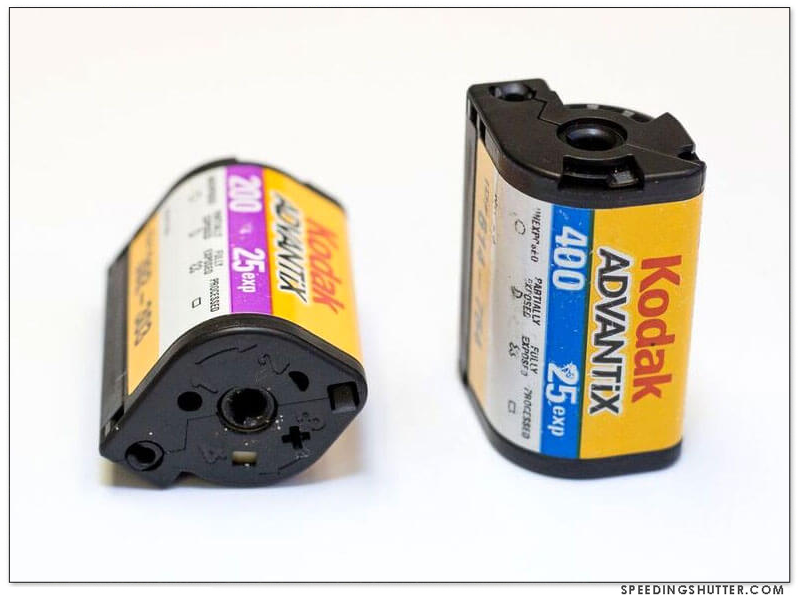
Cartridge film is a sort of film encased into a plastic cartridge. You never touch the film, you pop the cartridge into the camera, shoot it up, rewind it, and then take the cartridge to the store to be developed. Disc film is the film format with the shortest lifespan, manufactured starting in 1982 and discontinued a mere 15 years later. This was made for Kodak Disc cameras, a bad idea that made crappy photos. The APS format lasted only slightly longer, it also made crappy photos (but not as crappy as Disc) and would have fared better for the amateur market had it not been released at the same moment digital cameras were emerging. Novel idea, poor timing.
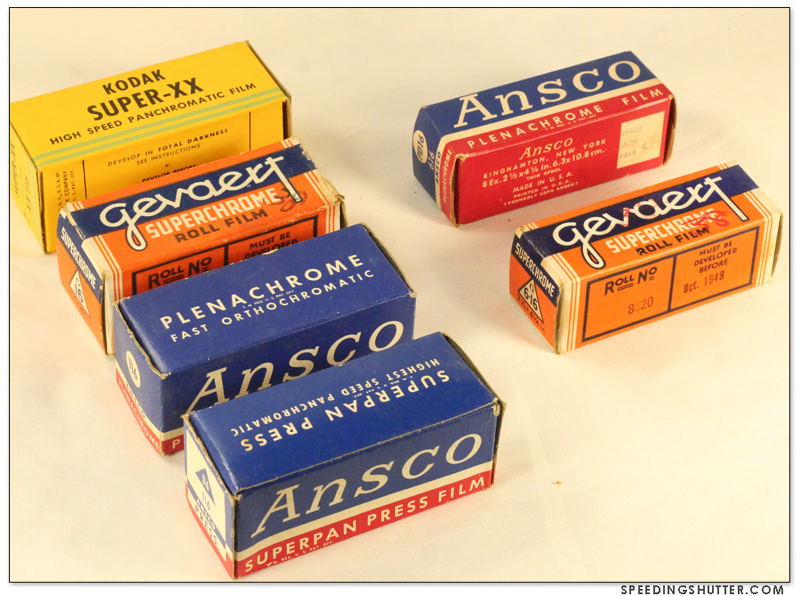
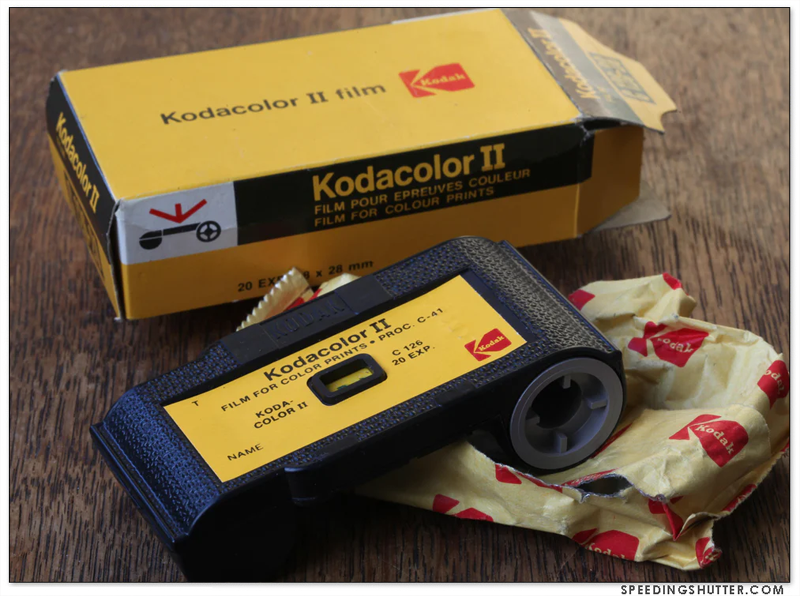
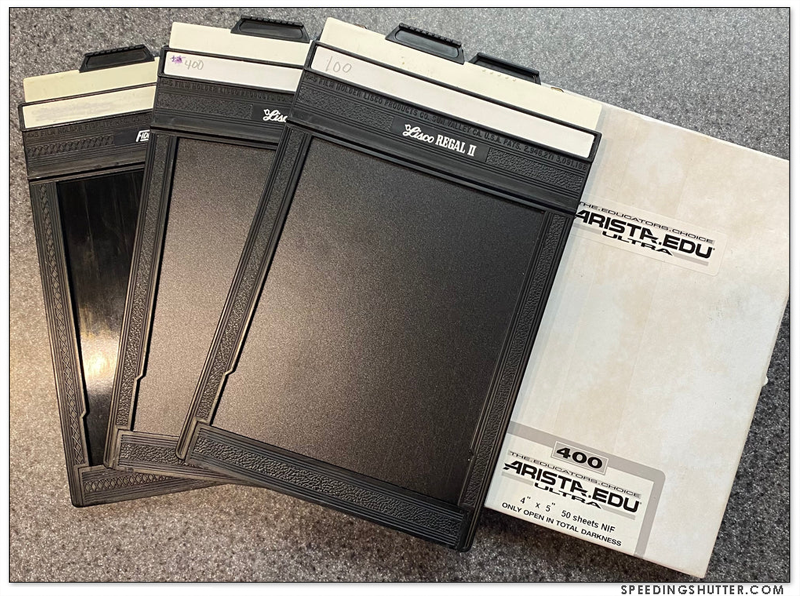
35mm film, or 135, was a hybrid between the two. Film in a cartridge that was pulled out and loaded by hand. This was released in the mid-30’s and soon became the dominant format of film. Nowadays, the only films being manufactured are 35mm, 120, 110 (which is more of a novelty being used by the lo-res hobbyist) and four sizes of sheet film, which I’ll talk about later.
A more concise measure of film formats are classified as “35mm,” “Medium Format” and “Large Format.” This is the lingo all film photographers will use.
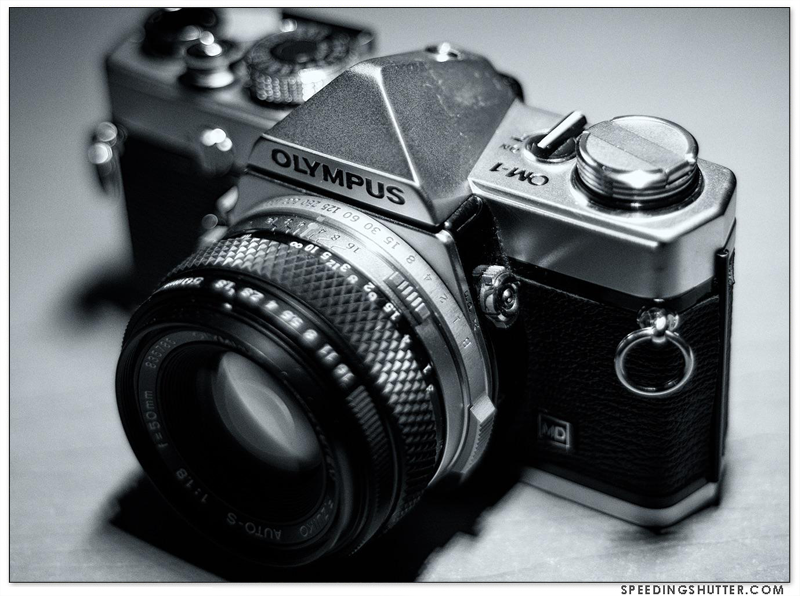
135 (35mm) is the most dominant of the bunch. This is a roll of film encased in a light-tight metal or plastic cartridge, with an individual frame size of 24 by 36mm. This film is still being manufactured for a growing number of film photographers, by a number of different companies, and it fits into a whole lot of available cameras.
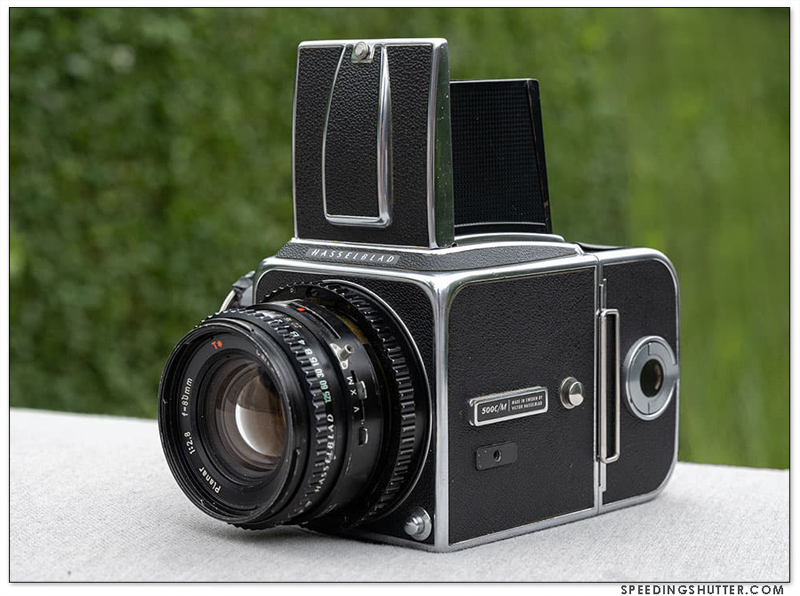
Medium Format is your basic roll-on-a-spindle film, the only size of which still being manufactured is 120 film. 120 film is just under 6cm wide (more than twice as wide as 135 film), accommodating a number of different exposure sizes, depending on the camera being used. Some cameras will render a frame as 645, or 6cm x 4.5cm, some will make a 6×6 frame, or a 6×7, 6×8 or even 6×9. The bigger the frame, the fewer you can shoot on one roll. My Mamiya 645 camera gets 15 shots per roll, while my Rolleiflex 6×6 only gets 12, and the 6×7 Pentax I’ve had my eye on? 10 frames per roll.
The photos on 120 are generally superior in quality to 35mm because there’s more surface area, but it comes at a cost. The film itself seems cheaper, as it’s usually a couple bucks cheaper to get a 120 roll of film vs a 135, but where a 135 roll brings 36 exposures to the table, 120 film gives you 15 or less. If you take your film to be developed the price isn’t much different, or if you develop at home you’ll be using twice the chemistry for one third of the images, and the cameras themselves are generally much pricier than your average 35mm camera. Still, this is an achievable step-up in quality if you’re willing to take on the added cost, and slower reloading time between rolls.
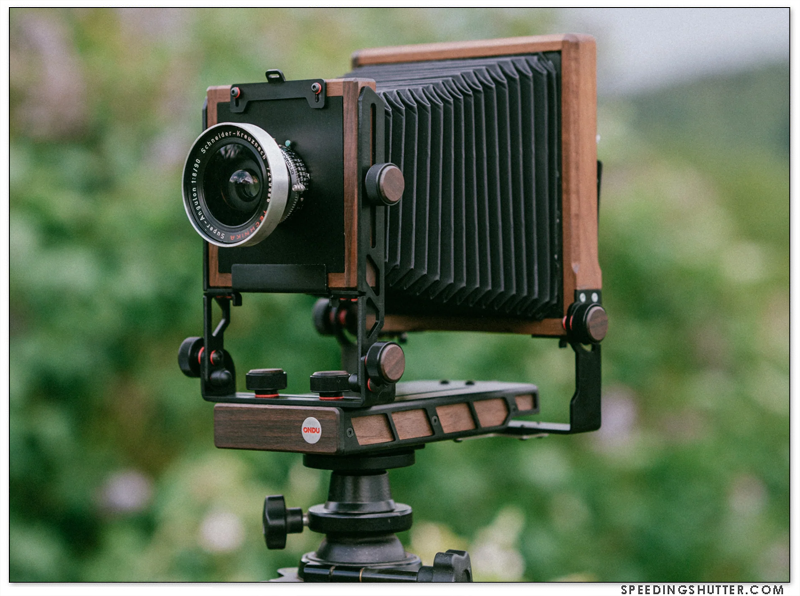
Finally we have large format film. This is sheet film, film that is just a sheet of film cut to the size used in your large format camera of choice, whether it’s 4×5 inches, 5×7, 8×10 or the less common 11×14. I’ve always seen this format as the odd-man-out, as it’s so much different than all the other forms of photography, and not many photographers shoot with this. The cameras themselves are actually quite simple, compared to the more complicated 120 and 135 cameras. while your higher-end modern film cameras will have multiple computers attached to state-of-the-art electronics, large format cameras are more akin to a light box with a lens on the front. They’re also less expensive, and much bigger and heavier.
This isn’t a format for beginners. I’m not even sure this is a format for me! It’s slower and more methodical, generally used for landscape work or portraiture. Years ago I used a 4×5 camera to shoot a series of photos for a restaurant’s menu, and it was a lot of fun but a lot of work. You start with loading sheets of film into light-tight film holders. I loaded ten, because I only had ten. I loaded them in a dark closet, and but them into a light-proof bag for good measure. Then I set up the camera, I point the lens at the subject and, while my head is covered with a dark sheet (yes, just like in the movies) I frame it and focus it on the 4×5 light box that serves as the camera’s viewfinder. You do this part first, because once you load the film there’s no ability to adjust it. Now I need to load the film. This is done by sliding the loaded film holder into the camera, and sliding out the protective sheet that blocks light from the film while loaded into the holder. I double-check light readings and lens settings and then push the button on the little squeeze cable attached to the lens. “CLICK!” Once that’s done, I slide the film protector back into place, take the film holder back out of the camera, and stick it into that bag to be developed later. That’s a lot of steps, for just one photo.
The results have amazing depth and clarity, because the sheet of film is so huge. However, the film is really pricey. Currently, a pack of ten sheets of 8×10 Kodak Portra film costs $280 on B&H’s website. That’s almost thirty dollars per photo, plus an additional ten bucks per sheet to develop the film. without including any prints, this bring the cost to nearly $40 for one photo. That’s the high end, of course. You can buy a box of 25 sheets of black-and-white 4×5 film for $70, and then develop it at home with the same chemistry you develop roll film with, in a tank that’s not at all expensive. A single 4×5 negative as cheap as three or four dollars per photo.
I haven’t done much with this format at all. One day I’d be interested to do some cityscape photography on large format, or some wet process portrait photography, but probably not interested enough to invest in an entirely new system.
If you’re interested in trying out large format photography, I’d definitely recommend sticking with 4×5. The Intrepid 4×5 is a newly-made camera that sells for around $400 and is somewhat beginner-friendly. You could also look for an older used camera on eBay for 200 bones or less. Looking to crack into medium format? Don’t do the Holga route – these are junky plastic toys that will likely disappoint you away from the format entirely. A twin lens reflex by Seagul or Yashica can be had for under $200, or step up to a Mamiya 645 or a Bronica ETRS for 300-500. 135 cameras are plentiful, try an Olympus OM1 or OM2, a Pentax Spotmatic (these use an M42 lens mount, which gives you access to a world of great vintage lenses at a reasonable cost) or a Minolta X700.
As for the film, don’t buy it on Amazon, or through Walmart’s website, the 3rd-party sellers on those sites are not reliable to send you good product. Go to B&H Photo, MPEX, Film Photography Project, and Reformed Film Lab.
